
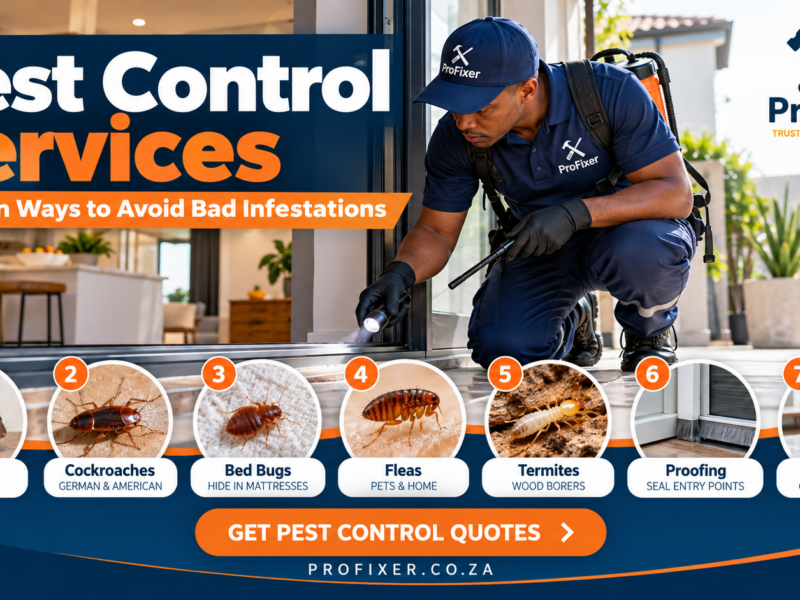
Pest Control Services: 7 Proven Ways to Avoid Bad Infestations
A cockroach under the kitchen sink, scratching in the roof at night or small piles of wood dust near a skirting board can quickly become more than an annoyance. Effective pest control protects the people using your property, the building itself and, for businesses, your reputation. The right response is not always the strongest chemical treatment. It starts with identifying the pest, finding how it is getting in and choosing a professional who can deal with the cause as well as the visible problem.
Whether you manage a family home, a rental flat, a restaurant, office or retail space, acting early usually gives you more options and a lower bill. A local specialist can assess the scale of the issue, recommend a suitable treatment and advise on the practical repairs or cleaning needed to stop pests returning.
Table of Contents
When pest control becomes urgent
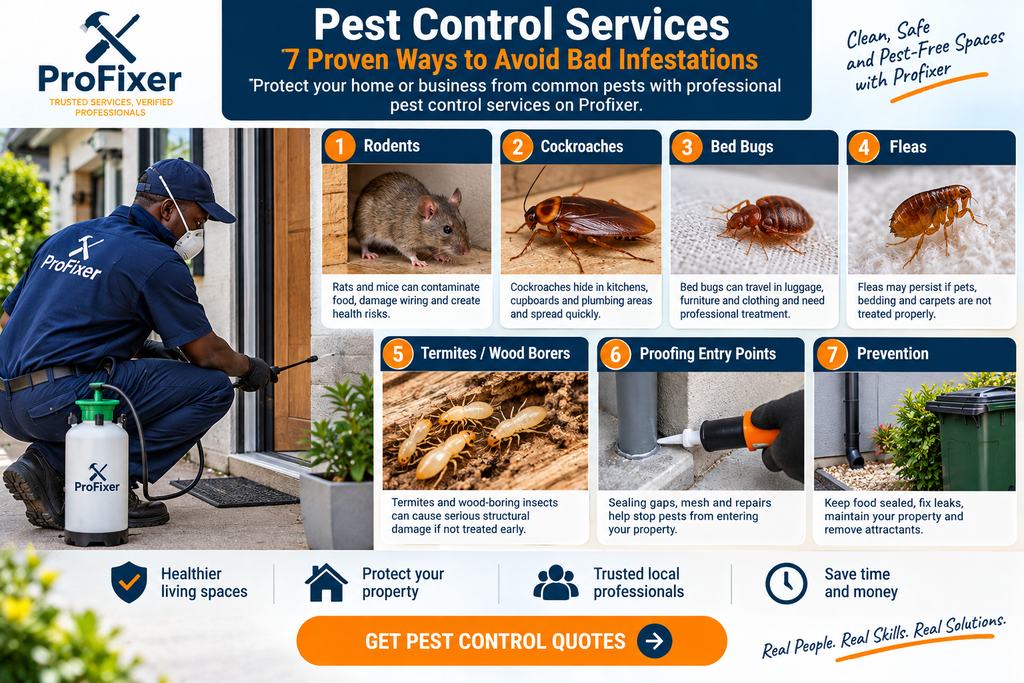
Some pests are easy to spot. Others leave signs that are easy to dismiss until the problem has spread. Rodent droppings, gnawed food packaging, chewed cables and scratching sounds in ceilings should be dealt with promptly. Rats and mice can contaminate food, damage insulation and wiring, and create health concerns in homes and commercial premises.
Cockroaches, bed bugs and fleas also need quick action. Cockroaches often hide behind appliances, inside cupboards and around plumbing points, while bed bugs can travel between rooms in luggage, furniture and clothing. Fleas may persist if pets, bedding, carpets and soft furnishings are not treated properly. A single spray in the obvious area may reduce what you see, but it may not reach eggs, harbourage points or adjoining rooms.
Termites and wood-boring insects require a different level of care. Hollow-sounding timber, damaged door frames, bubbling paint, mud tubes or fine wood dust can signal a problem that has been developing unnoticed. Do not paint over the damage or replace a single piece of timber before an inspection. You need to know whether the infestation is active and whether moisture, leaks or soil contact are contributing to it.
For food businesses, accommodation providers, schools and healthcare settings, pest activity can affect hygiene standards and customer confidence. Professional treatment records and a planned monitoring programme may be as valuable as the initial visit.
What a professional pest control service should include
Reliable pest control services should begin by identifying the pest and the likely source of the problem before deciding which treatment, monitoring or proofing work is appropriate.
A worthwhile service begins with an inspection rather than a standard treatment selected over the phone. The contractor should ask where activity has been seen, how long it has been happening, whether children or pets use the space, and if there are nearby drains, refuse areas, roof voids or food stores.
After assessing the property, the professional should explain the likely pest, treatment method, safety precautions and expected number of visits. Some infestations can be resolved in one appointment. Others, particularly bed bugs, rodents and cockroaches, may need follow-up work because eggs hatch later or pests move through concealed routes.
Good pest control is usually a combination of treatment and prevention. Depending on the job, this may involve bait stations, traps, targeted insecticide application, proofing gaps, removing nests, treating timber or installing monitoring devices. The best option depends on the species, the property layout and the level of activity.
Ask for clear guidance on what you need to do before and after treatment. You may be asked to clear cupboards, wash bedding at a specified temperature, keep pets away from an area, repair a leaking pipe or avoid deep-cleaning treated surfaces for a short period. These instructions are part of the treatment, not an optional extra.
Treatment is not the same as proofing
A common frustration is seeing rodents again weeks after treatment. This does not always mean the original work failed. If a rat can still enter through a damaged vent, unsealed pipe opening, broken roof tile or gap beneath a door, the property remains accessible.
Proofing work closes those routes. It may involve mesh, door brushes, repairs to vents, sealing service penetrations or fixing damaged soffits and roofing. For a lasting result, it can be sensible to arrange pest treatment and property repairs at the same time. A pest specialist can identify likely entry points, while the appropriate contractor carries out the repair safely and neatly.
Choosing the right pest control contractor
Price matters, but the cheapest quote is not always the lowest overall cost. A low initial price can become expensive if it covers only one quick visit with no inspection, no follow-up and no advice about preventing a repeat infestation. Compare what each quote includes, not just the final figure.
Before booking, make sure you understand the type of pest being treated, whether the quote includes a return visit, and whether any proofing or cleaning is separate. Ask how the treatment affects children, pets, customers and staff, especially if the work is being done in a kitchen, nursery, warehouse or shared building.
It is also reasonable to ask about response times. A wasp nest near an entrance, rats in a food preparation area or bed bugs in a rental property may need urgent attendance. Less immediate problems, such as seasonal ants in a garden, can often be scheduled around your availability.
With Profixer, you can post your pest control job free and connect with local contractors interested in quoting for the work. Describe the pest you have seen, where the activity is occurring, how long it has been happening and whether the property is a home, rental or business so contractors can better understand the problem before responding.
Preventing common pests around your property
No property can be made completely pest-proof, but regular maintenance removes many of the conditions pests rely on. Focus on food, water, shelter and access. Keep food in sealed containers, clear crumbs from cupboards and appliances, and do not allow rubbish to build up near doors or external walls.
Water is often the overlooked issue. Dripping taps, leaking waste pipes, blocked gutters and poor drainage can attract cockroaches, mosquitoes and other insects while creating damp conditions that damage the building. Have plumbing faults repaired early, particularly beneath sinks, behind washing machines and around outdoor taps.
Outdoor areas need attention too. Trim vegetation away from walls and rooflines, store firewood away from the building and keep bins clean with secure lids. Check that drains, vents and weep holes are not blocked, but avoid sealing ventilation features without professional advice. The goal is to restrict pest access without creating moisture or airflow problems.
In flats, complexes and commercial buildings, the source may not be confined to one unit. Shared refuse rooms, ceiling voids, service ducts and neighbouring premises can allow pests to travel. Landlords, body corporates and property managers may need to coordinate inspections and treatment across affected areas. Treating one flat alone can offer temporary relief, but a wider plan is often necessary.
Pest control for tenants, landlords and businesses
Tenants should report signs early and keep a dated record of what they have found, including photographs where useful. Avoid moving potentially infested furniture through the property, particularly with bed bugs or fleas, as this can spread the issue. Your tenancy agreement may set out responsibilities for cleanliness, reporting and repairs, but the cause of the infestation also matters.
Landlords should respond promptly and establish whether maintenance defects are involved. Gaps around pipes, damaged seals, faulty drains and roof access points can turn a one-off callout into an ongoing problem. Keeping records of inspections, treatments and remedial repairs is sensible for both parties.
Businesses need a more structured approach. Staff should know who to notify if they see pest activity, food and waste areas should be checked routinely, and treatment visits should fit around operational and safety requirements. For premises handling food, regular preventative visits may be more cost-effective than waiting for a visible infestation.
Questions to ask before you accept a quote
When comparing pest control services, check whether the price includes inspection, treatment, follow-up visits, proofing recommendations and any guarantee or defined return period.
A short conversation can prevent misunderstandings later. Ask whether the price covers inspection, treatment materials, follow-up visits and call-out costs. Confirm how long treatment takes, when the area can be used again and what preparation is required.
You should also ask what happens if activity continues after the first visit. Some contractors include a defined follow-up period, while others charge per visit. Neither approach is automatically better, but it should be clear before work begins. If proofing is recommended, request separate pricing so you can see where treatment ends and building repairs begin.
Avoid attempting to solve a serious infestation with random shop-bought products. Incorrect use can be ineffective, expose people or pets to unnecessary chemicals, and drive pests deeper into walls or ceiling spaces. Professional advice is particularly worthwhile where there are young children, vulnerable occupants, food preparation areas or signs of structural damage.
The sooner a pest problem is properly assessed, the simpler it is to put right. Describe what you have seen, where it is happening and how long it has been going on, then compare clear quotes from local professionals before the problem gets comfortable in your property.
Choosing the right pest control services means looking beyond a quick spray or the cheapest call-out fee. A good contractor should identify the pest, treat the active problem and explain the cleaning, proofing or property repairs that can reduce the chance of it returning. Act early and compare clear local quotes before a small infestation becomes harder and more expensive to control.
GET PEST CONTROL QUOTES